
Kayla Carter | Jun 10 2026 15:00
Oral Health Month - June - Dental Insurance Myths Debunked
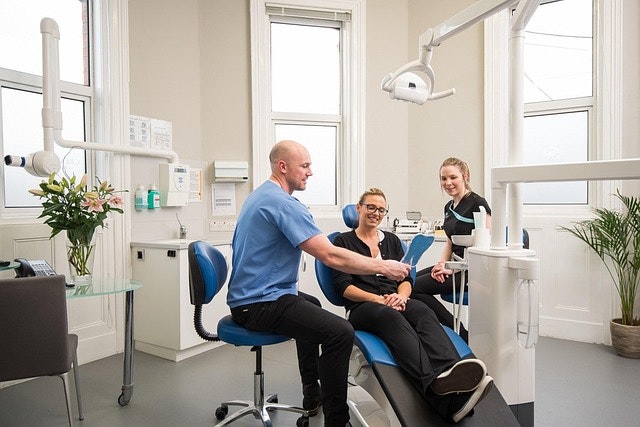
Dental insurance can be one of the most valuable tools for maintaining long-term oral health, yet it also tends to be one of the most misunderstood benefits. Many individuals assume they have a clear picture of what their policy covers, only to learn later that their expectations did not match their plan’s guidelines. These misunderstandings often result in skipped preventive visits, missed opportunities to use covered services, and avoidable out-of-pocket costs.
June’s Oral Health Month provides an ideal opportunity to take a closer look at how dental insurance actually functions. A clearer understanding of coverage helps people make informed decisions, manage costs wisely, and stay consistent with preventive care. By addressing a few widespread myths, individuals can feel more confident navigating their dental benefits and protecting their long-term oral health.
Quick Summary:
Many people misunderstand how dental insurance works, leading to delayed care and higher long-term expenses. Knowing how preventive care is covered, how networks operate, and why early treatment matters helps individuals get the most from their benefits. Clearing up common misconceptions empowers patients to manage costs and improve their oral health.
Why It Helps to Understand Your Dental Insurance
Confusion about dental benefits often causes people to postpone cleanings or avoid scheduling treatment because they assume coverage is limited. However, most dental plans are intentionally designed to support preventive care and early intervention, which keeps both oral health risks and long-term expenses lower.
When dentists are able to perform routine exams and cleanings, they can catch developing issues before they become severe. Early detection usually means simpler procedures and lower costs. In addition to improving health outcomes, preventive care reduces the need for complex treatments later.
Understanding the specifics of a dental plan also helps individuals use their benefits strategically. Knowing which services are included, what the cost-sharing structure looks like, and how in-network participation works can make it easier to avoid unexpected bills and plan care more effectively.
Myth #1: “Dental Cleanings Aren’t Covered”
One of the most common misconceptions is that dental cleanings fall outside insurance coverage. In reality, most plans emphasize preventive care because it plays such an important role in oral health maintenance.
Cleanings, routine exams, and many diagnostic services are typically covered at a high percentage. By encouraging individuals to stay current with preventive visits, dental plans aim to reduce the likelihood of more serious conditions requiring costly procedures.
Skipping routine care can actually create the opposite financial effect. When small problems go undetected, they often develop into more complicated issues that demand more intensive treatment. Maintaining regular cleanings and exams helps dentists stay ahead of emerging concerns and support better long-term outcomes.
Myth #2: “Delaying Treatment Saves Money”
It may seem practical to wait on treatment when a dental issue feels minor, but postponing care almost always increases the long-term cost and complexity of treatment.
For example, addressing a small cavity early might require nothing more than a simple filling. If treatment is delayed too long, that same issue could escalate into a situation requiring a crown or root canal. These procedures involve more chair time, more extensive materials, and often higher coinsurance responsibilities.
Taking care of problems promptly helps reduce treatment complexity and manage costs. Early intervention also makes it easier to stay within a plan’s annual benefit limits and avoid unexpected expenses as the year progresses.
Myth #3: “All Dentists Accept My Insurance”
Many people assume that any dentist will automatically be considered in-network with their plan. However, network participation varies depending on both the plan and the insurance company.
Receiving care from a provider who is not in-network may lead to higher costs, reduced reimbursement, or charges that the plan does not cover at all. These expenses can be surprising if individuals do not verify participation ahead of time.
Before scheduling an appointment, it’s a smart idea to confirm whether the dentist is in-network. This simple step helps ensure stronger coverage and reduces the likelihood of unexpected billing.
Myth #4: “Dental Insurance Works the Same as Medical Insurance”
Dental and medical insurance often get compared, but they operate under very different structures. Medical plans are generally designed to cover a broad range of treatments and conditions, while dental plans focus heavily on preventive care and predictable cost-sharing.
Most dental plans include an annual maximum—the total amount the plan will contribute within a year. Once that limit is used, additional care may require out-of-pocket payment until the benefits reset.
Dental benefits are often divided into tiers as well. Preventive services tend to be covered at the highest rate, basic procedures typically involve some cost-sharing, and major services usually require higher patient contributions. Understanding these distinctions helps individuals plan their care effectively and avoid surprises.
Myth #5: “No Pain Means No Dental Visit Needed”
It’s a common belief that dental care is only necessary when something hurts, but many issues develop quietly over time. Discomfort often doesn’t appear until a problem becomes more advanced.
Consistent preventive visits allow dental professionals to monitor subtle changes and identify early signs of decay or other concerns. Addressing these issues early usually leads to easier treatment and better long-term health.
Regular checkups also help dentists track changes over time, which can prevent urgent or complex treatment down the road.
Myth #6: “Indemnity Plans Cover the Full Cost”
Some individuals assume that indemnity or fee-for-service dental plans pay the full amount billed by the dentist. However, these plans usually reimburse care based on established fee schedules rather than the provider’s exact charges.
If a dentist charges more than the plan’s allowable fee, the patient is typically responsible for the difference. Understanding how reimbursement works helps individuals anticipate their potential costs before treatment begins.
Making the Most of Your Dental Benefits
Preventive dental care is essential for maintaining oral health and managing long-term dental expenses. Staying on schedule with cleanings and exams gives dental professionals the opportunity to identify issues early, which often leads to simpler and more affordable treatment.
Using dental benefits effectively also means confirming network participation, understanding coverage tiers, and planning care around annual benefit limits. Being informed helps individuals maximize their coverage and avoid unexpected financial surprises.
If you need help reviewing your dental plan or want guidance on how your benefits work, our team at Mayfield & Associates is here to support you. We provide affordable insurance solutions for individuals, families, and small businesses across the Gulf Coast, and we’re always happy to help you make informed decisions about your coverage.